
Be a multi-tool, not a hammer.
One of the beautiful aspects of studying not just architecture, but also engineering, construction, development, finance, and planning, is how this combination of skills alters your perception of the world around you.
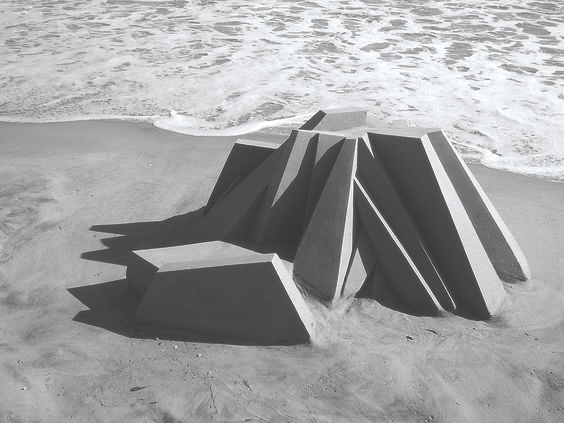
The cityscape, once seemingly a fixed and innsurmountably complex mountain of steel and glass, starts to lower itself to eye level, transforming into a malleable mound of beach sand.
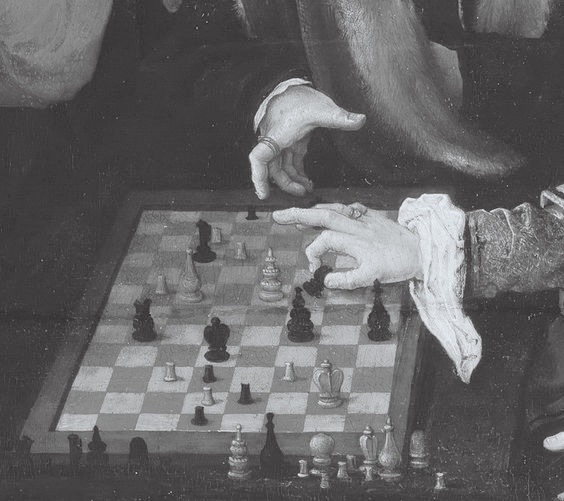
Figure 2: The Chess Party, by Lucas van Leyde. c.1518.
This shift in perspective fosters a sense of true spatial literacy. Buildings and places, which once appeared far too monolithic and complex to understand, gradually become accessible and digestible.
Just as an arborist discerns a tree’s health, age, and species by examining its features, individuals equipped with a multidisciplinary toolkit spanning architecture, construction, development, and finance can adeptly decipher the dynamics underlying the complex system of the built environment- perceiving the constituent parts of a place, discerning their qualities, construction methods, costs, and overall value, rather than just their design in isolation.
This comprehensive understanding generates confidence. Whereas an architect has to wait for opportunities and instructions to influence the city, a Sovereign Architect, with a holistic understanding of development processes— can proactively initiate change.
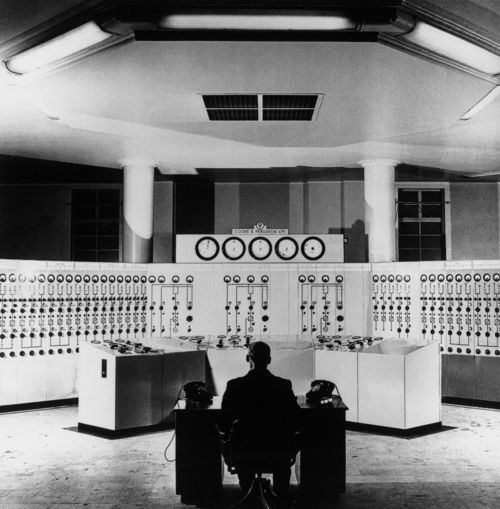
Figure 3: The Control Room, Grangemouth, Scotland, c.1950.
An architect without a deep understanding of cost and value is a bird with clipped wings. To create beautiful architectural works and become a sovereign architect, one must be a student of multiple disciplines: architecture, engineering, construction, law, development, and finance. Without this broad and holistic perspective, understanding the constraints and consequences of your designs is impossible.
Operating in this complex field with only an understanding of design and aesthetics is like attempting to fly a plane whilst understanding only a few of its hundreds of controls. True architectural mastery lies not just in the ability to plan and create ideas, but also in having a deep awareness of how to bring them to fruition. This is the real essence of an architect—not merely to conceive ideas but to understand and navigate the intricate process of realising them.
Ideas are easy, execution is hard, and specialisaiton is for insects.
0 Comments